
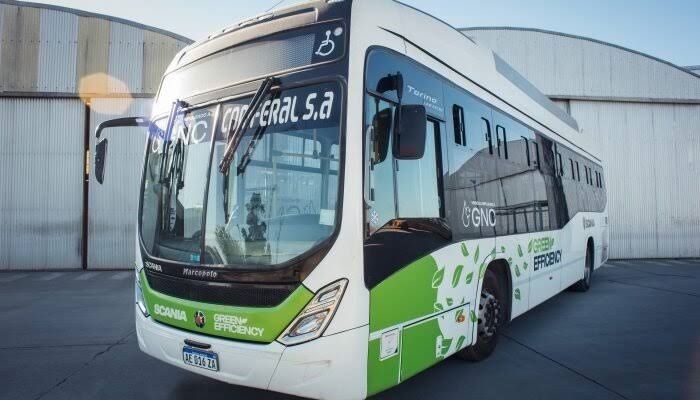
November 1, 2026. Argentina’s Secretariat of Transport has modified the methodology for calculating subsidies for federally regulated bus services connecting the Autonomous City of Buenos Aires (CABA) with the surrounding metropolitan area. The move aims to drive the transition from diesel-powered services to vehicles powered by electricity or compressed natural gas (CNG).
This measure is similar to one already implemented by the Autonomous City of Buenos Aires for the 27 bus lines under its jurisdiction (which operate entirely within the city’s boundaries). According to Resolution 80/2026, published in the Official Gazette, the initiative is intended to “promote and incentivize the diversification of the energy matrix and facilitate the gradual adoption of alternative propulsion technologies.”
In the resolution, the Secretariat of Transport explained that “incorporating different energy technologies requires considering not only the unit cost of the fuel—whether CNG or electricity—but also the efficiency per kilometer traveled, maintenance requirements, the availability of refueling or recharging infrastructure, and the investments necessary for operation.”
“Consequently, any comparison between technologies must account for the total cost per kilometer associated with providing the service for each energy type, rather than focusing exclusively on the price of the energy consumed,” it added.