
March 24, 2026. Five urban buses will soon begin operating in the municipality of Martí, in Matanzas province, using biomethane as fuel, according to local authorities. The initiative, which will directly benefit more than 22,000 people, is part of a local development strategy focused on the use of renewable energy.
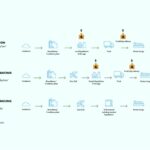
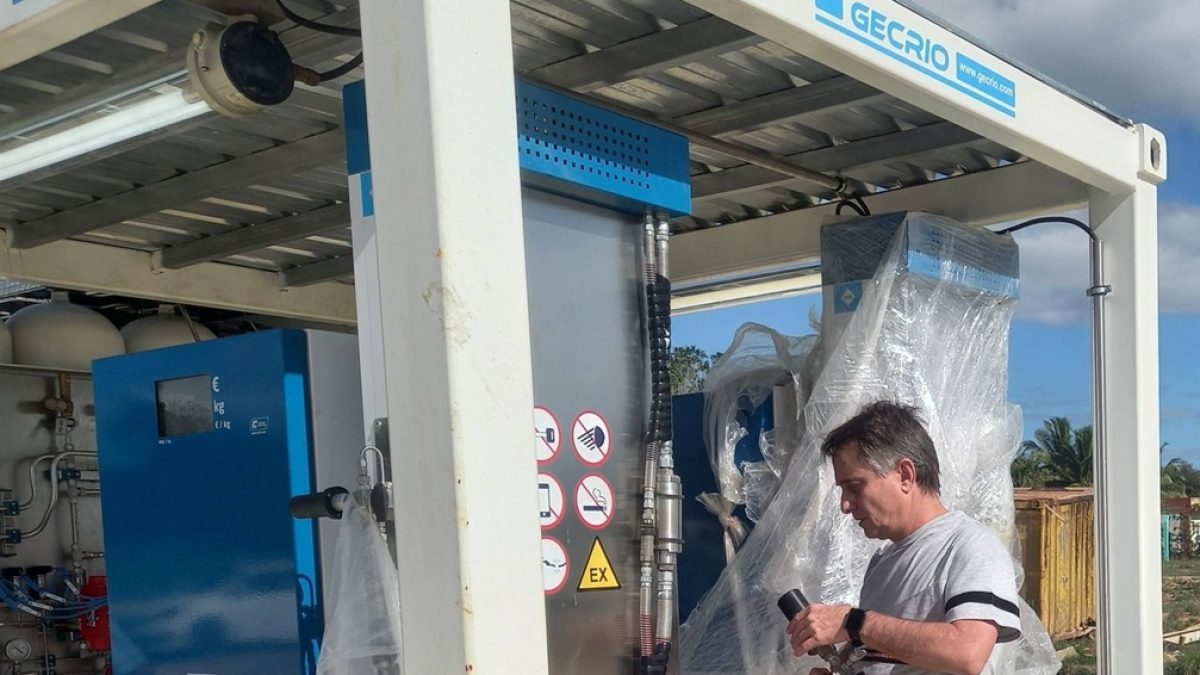
The biomethane is obtained from biogas generated by organic waste, primarily from pigs, and will be supplied directly from a processing plant located in the area. The system includes a recently completed gas pipeline connecting the biogas sources to the plant via two circuits of five and nine kilometers.
The project includes routes not only within the municipality of Martí, but also connections to Cárdenas and the city of Matanzas. According to Mario Sabines Lorenzo, First Secretary of the Party in the province, the conversion plant has already been visited by authorities and is in its final phase before beginning operations.
The initiative has been developed over more than a decade with the support of the United Nations Development Programme (UNDP) and Cuban scientific centers. It is part of a model that seeks to increase the municipality’s energy independence by 2030, also integrating other sources such as photovoltaic energy and the use of biodigesters.
The use of biomethane in public transportation could represent an alternative to the conventional fuel shortage affecting the country. In theory, it would reduce dependence on imported diesel and allow for the use of locally available resources.