
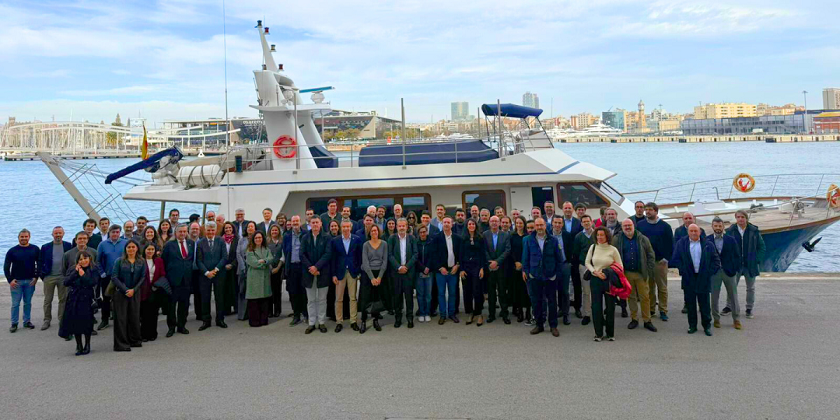
February 21, 2026. The transport and energy sectors in Spain have welcomed the new proposed Royal Decree to promote the decarbonization of transport and the development of sustainable fuels, which transposes the European Renewable Energy Directive REDIII. This framework represents a significant step forward by setting ambitious targets for reducing transport emissions and giving a leading role to renewable fuels such as biomethane and hydrogen. This was highlighted by the General Assembly of Gasnam, an association that brings together producers, distributors, and operators in the transport and renewable gas sectors.
During the assembly, particular appreciation was given to the fact that the proposed transposition accompanies the overall target for reducing transport emissions with a specific sub-target for energy consumption, which establishes that by 2040 at least 18.5% of the energy used in road transport must come from renewable fuels. This approach reinforces the role of biomethane and hydrogen as essential vectors for achieving decarbonization goals. However, participants agreed that transforming this opportunity into tangible results will require strengthening the economic and operational instruments that accompany the regulations.
The sector considers it a priority that regulatory ambition be complemented by support mechanisms for renewable gas production, the acquisition of heavy vehicles, and the deployment of an adequate refueling network. Unlike other European countries, Spain lacks tax incentives and specific programs to promote the use of renewable fuels in heavy transport, a factor that could slow the transition if not addressed.
Gasnam also emphasizes the importance of using resources from emissions trading ambitiously to support the decarbonization of heavy transport. The association considers it essential that these revenues be directed toward refueling infrastructure, fleet renewal, and projects that facilitate the adoption of renewable fuels.
Gasnam also emphasizes the need to develop the National Action Framework required by the European Renewable Fuels Infrastructure Regulation (AFIR), the deadline for which was December 2025. This framework sets the requirements for deploying the hydrogen refueling network—including one station every 200 kilometers on the TEN-T network and another at urban nodes. This planning is essential to provide certainty for industry and operators and to enable the development of a network that meets European objectives.