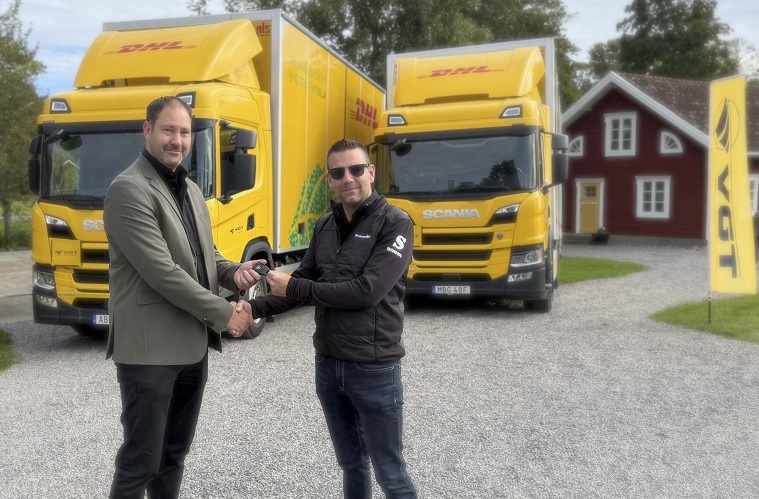
October 15, 2026. Värnamo Godstrafik is investing in 50 new Scania trucks powered by biogas, supplied through Svenstigs Lastbilar. The vehicles will be used for transport services for DHL, with deliveries scheduled in stages throughout 2026 and 2027.
In this agricultural context, waste is converted into biogas for use in heavy-duty transport. The initiative is built on collaboration between the agricultural sector, biogas producers, fuel suppliers, vehicle manufacturers, transport service clients, and the road transport industry.
“For more transport companies to choose biogas, there must be a stable supply of renewable fuel and a functional refueling infrastructure. When vehicles, fuel, and refueling stations are developed in a coordinated manner, the transition can be significantly accelerated,” notes Peter Collin, market strategist at Småländska Bränslen.
Replacing 50 diesel trucks with biogas-powered vehicles in these operations is expected to result in an emissions reduction of approximately 106%. This decrease is equivalent to about 5,000 tonnes of carbon dioxide equivalent per year—a figure comparable to the annual greenhouse gas emissions generated by more than 2,000 gasoline-powered passenger cars.
Biogas is one of the fuels that can offer the greatest climate benefits in the heavy-duty transport sector. According to data from the Swedish Energy Agency, emissions reductions often exceed 100% compared to fossil diesel, as the production process can also help prevent methane emissions that would otherwise arise from organic waste.