September 16, 2026. Sustainable mobility requires a holistic approach that encompasses not only new propulsion technologies but also a rethinking of production processes, the optimization of resource use, and the discovery of new opportunities to reduce environmental impact. With this perspective, Iveco Bus has implemented a circular economy project that transforms recovered aluminum scrap into raw material for manufacturing pedal assembly housings used in the 170G21 natural gas bus.
“Sustainability lies at the heart of Iveco Bus’s strategy because we believe that the present and future of mobility must—by necessity—be more efficient and responsible toward the environment and communities. Our commitment goes beyond developing alternative propulsion technologies; it involves transforming how we design, produce, and support our solutions throughout their entire lifecycle. It is a path that requires constant innovation and a long-term vision,” stated Mauricio Yamamoto, Head of Iveco Bus for Latin America.
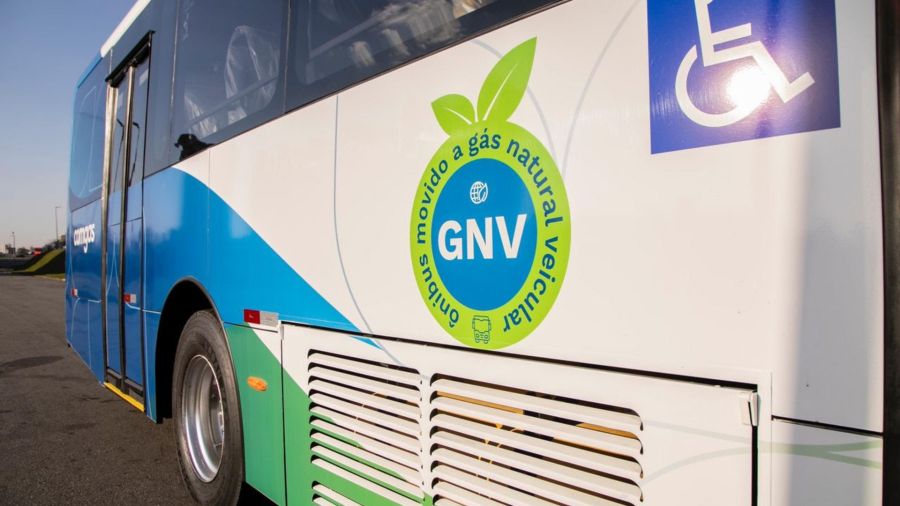
The 170G21 bus is one of the products featuring these pedal assembly housings and plays a key role in the brand’s multi-energy strategy. Its natural gas technology offers a low-emission solution, while the inclusion of components made from recycled materials extends the sustainability focus to the vehicle’s production process as well.
These buses—the first of their kind manufactured in the country—deliver significant environmental benefits, achieving reductions of up to 95% in particulate matter, 90% in nitrogen dioxide (NOx) emissions, and up to 10% in carbon dioxide (CO₂). Additionally, they operate more quietly, reducing noise pollution by up to 3 dBA.
They are also equipped with the FPT NEF 60 NG engine, which was designed from the outset to run on natural gas and has been produced at the Córdoba plant since 2025.