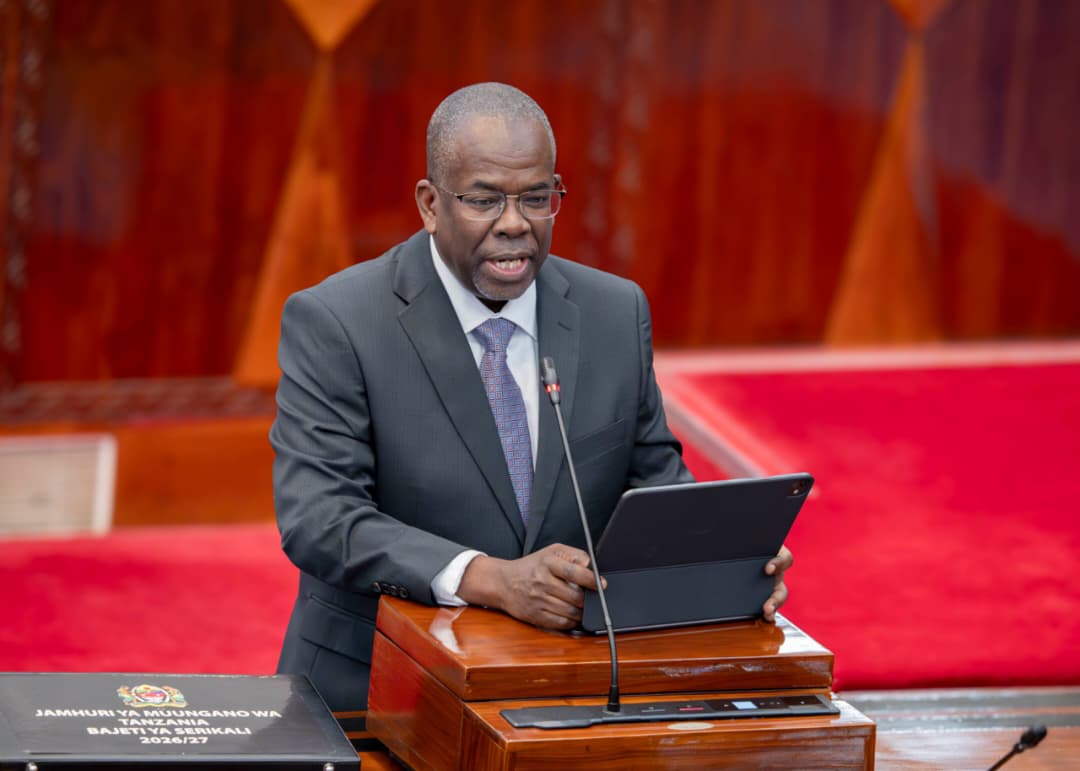
June 12, 2026. Tanzania has unveiled a comprehensive package of tax exemptions and incentives aimed at promoting the adoption of electric vehicles and natural gas-powered transport, marking a significant shift in the East African nation’s energy policy. The measures, announced during the 2026/2027 budget presentation, target both the transport and domestic sectors as the country pursues cleaner energy alternatives.
Dr. Khamis Mussa Omar, presenting the government’s revenue and expenditure proposals to parliament in Dodoma on June 11, 2026, outlined an extensive array of tax reliefs designed to make electric and gas-powered vehicles more accessible to Tanzanian consumers and businesses. The announcement signals Tanzania’s commitment to reducing its carbon footprint while addressing the rising costs of petroleum-based transportation.
Among the most significant measures is the complete exemption of excise duty based on engine capacity for electric and gas vehicles. This move is expected to substantially lower the purchase price of such vehicles, which have historically been more expensive than their conventional counterparts in African markets. Additionally, the government has removed value-added tax on compressed natural gas (CNG) used in vehicles, a decision that could dramatically reduce operating costs for vehicle owners who switch to this alternative fuel.
The tax relief extends beyond the vehicles themselves to encompass the entire infrastructure needed to support a transition to cleaner energy. The government has granted value-added tax exemptions on CNG distribution equipment, including compressors, metering equipment, storage cascades, specialized transportation vehicles, and dispensers. This comprehensive approach addresses one of the primary barriers to alternative fuel adoption: the lack of adequate distribution infrastructure.
Tanzania’s initiative also covers the entire CNG production chain with value-added tax exemptions, creating favorable conditions for investment in natural gas infrastructure. The country, which has substantial natural gas reserves in its southern regions, is positioning itself to leverage these resources for domestic energy security while pursuing environmental objectives.
Vehicle conversion has received particular attention in the policy package. The government has exempted value-added tax on equipment used to convert petroleum fuel systems to gas and electricity systems, making it economically viable for existing vehicle owners to retrofit their cars and trucks.