

May 25, 2022. By 2030, Tereos wants its entire agricultural fleet to be supplied with biomethane, a fuel generated from the biodigestion of vinasse. The company, one of the world leaders in the production of sugar and one of the largest Brazilian companies in the manufacture of ethanol, has already begun testing the project that aims to expand the offer of a clean alternative to the diesel used by these vehicles, in addition to ensure energy self-sufficiency, since it is generated from waste from the ethanol production itself.
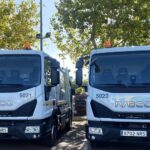
According to the firm, the tests have been carried out through alliances with companies such as Scania, Grupo Vamos and Case. During the 2021/22 harvest, a 410 hp Scania truck has already operated on biomethane and the projection is that it will continue to run in the next harvest. In addition, Tereos, in partnership with Grupo Vamos, will add one more truck to the current tests this season. With Case, the tests are based on a tractor powered by clean fuel.
In addition to the initiatives mentioned, other opportunities are being evaluated to replace fossil energy with green options, such as in motorized pump systems.
According to Tereos’ Superintendent of Sustainability and Operational Excellence, Renato Zanetti, the demand for alternatives to fossil fuels is increasing and biomethane production technology is emerging as the main trend in this scenario. However, he points out that this technology is not yet fully explored by off-road vehicles, such as machines, tractors and harvesters, which opens up a potential for testing in partnership with companies in this sector.
“Biodigestion is an opportunity for Tereos. We started the operation through a pilot plant in the production of biogas and the objective is to widely absorb the technology in the next two years to reach a maturity curve until 2024 and meet the proposed objectives”, adds Zanetti.
The project is financed through a green transaction carried out by the French institution Proparco, in March 2021, which includes an amount of US$30 million for investments in projects related to the production of biomethane, among other sustainable initiatives.
In addition to the benefits related to the environment, such as the reduction of greenhouse gas emissions, the initiative also implies a financial return for the company by allowing new forms of remuneration for this generation, through the sale of electricity to the national distribution network and also the sale of decarbonization credits through the RenovaBio program.