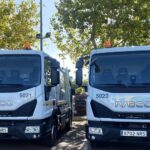


September 1, 2022. Evonik and Shell are attempting to make progress on eliminating fossil fuels from heavy duty road transport using bio liquefied natural gas (Bio-LNG), made from agricultural waste, with Shell supplying 100 tons to Evonik, equivalent to the average fuel consumption of three trucks per year.
The two companies want to promote the use of biomethane in heavy-duty transport as a fuel alternative that emits significantly less emissions and is already available today. Bio-LNG can reduce CO2e emissions by approximately 86 percent compared to diesel and thus contribute to reaching the EU’s 2030 climate targets. Shell is scaling up the Bio-LNG supply chain while offering customers progressive emissions reductions.
“Working across the sector with customers and partners is the only way we will be able to change heavy duty transport sustainably” said Thomas de Boer, Vice President at Shell Commercial Road Transport. “The collaboration with Evonik has presented the opportunity for us to jointly help drive the defossilization of transport within the chemical sector, delivering a positive step toward the sector’s climate targets in a commercially viable way with Bio-LNG. That is very promising and good news to the sector.”