
August 23, 2026. The Federal Government has secured more than $2bn in private-sector investment for the development of compressed natural gas (CNG) infrastructure and the wider value chain, a development expected to create opportunities for transport operators, logistics businesses and other MSMEs across Nigeria.
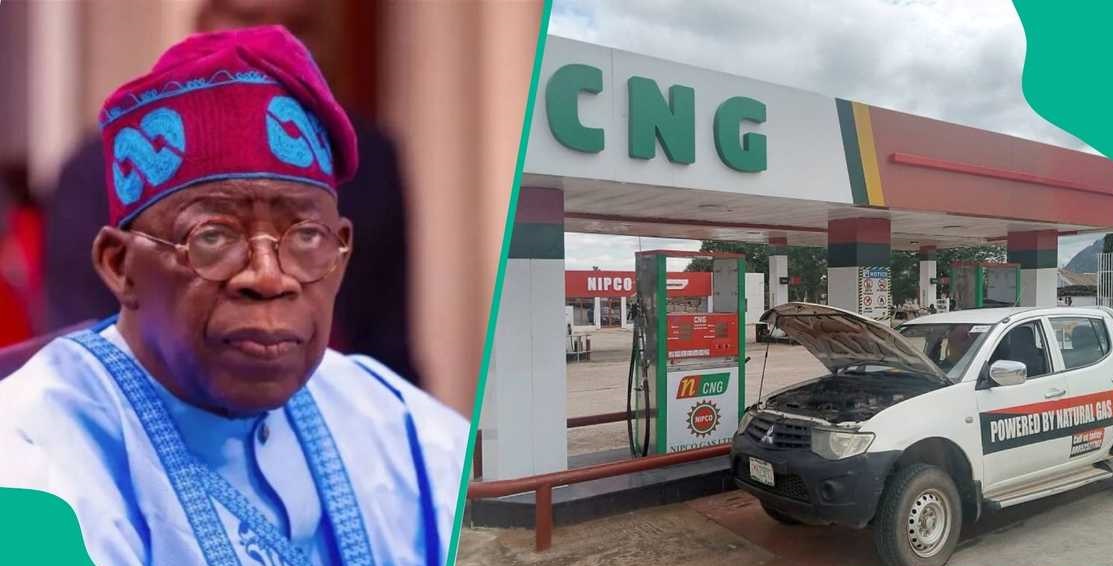
The government also disclosed that more than 90 CNG refueling stations are now operating across the country as part of efforts to expand access to the cheaper alternative to conventional transport fuels.
According to the Minister of State for Petroleum Resources (Gas), Ekperikpe Ekpo, the investment was facilitated through the Presidential Initiative on Compressed Natural Gas (Pi-CNG), launched in 2023, and has supported the expansion of refueling stations, vehicle conversion centres, technical capacity and other infrastructure required to increase CNG adoption.
He said more than 120,000 vehicles had been converted to CNG through over 400 certified conversion centres, alongside the more than 90 filling stations currently available nationwide.
“Since the launch of the Presidential Initiative on Compressed Natural Gas in 2023, the Federal Government, working with relevant stakeholders, has facilitated significant private-sector investment in the CNG value chain, with more than $2bn secured for CNG infrastructure and value-chain development,” Ekpo said.
The minister added that the programme had trained more than 7,700 automotive technicians and created over 10,000 direct and indirect jobs. It has also supported the procurement and deployment of 655 CNG buses and 5,123 CNG tricycles.
For MSMEs, the growing CNG ecosystem could provide opportunities beyond fuel savings. Businesses involved in vehicle conversion, maintenance, spare parts, transportation, logistics and technical services could benefit from increased demand as more vehicles transition to gas.
Commercial transport operators and small logistics companies could also reduce operating costs if CNG remains cheaper and accessible compared with conventional fuels. Lower fuel expenses could improve margins for businesses that depend heavily on vehicles to move people, goods and services.