Hyundai Heavy verifies performance of 1.5MW-class LNG/hydrogen engine

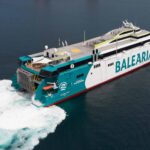
Hyundai Heavy Industries successfully verified the performance of a recently developed 1.5MW-class LNG/hydrogen engine.

Hyundai Heavy Industries successfully verified the performance of a recently developed 1.5MW-class LNG/hydrogen engine.
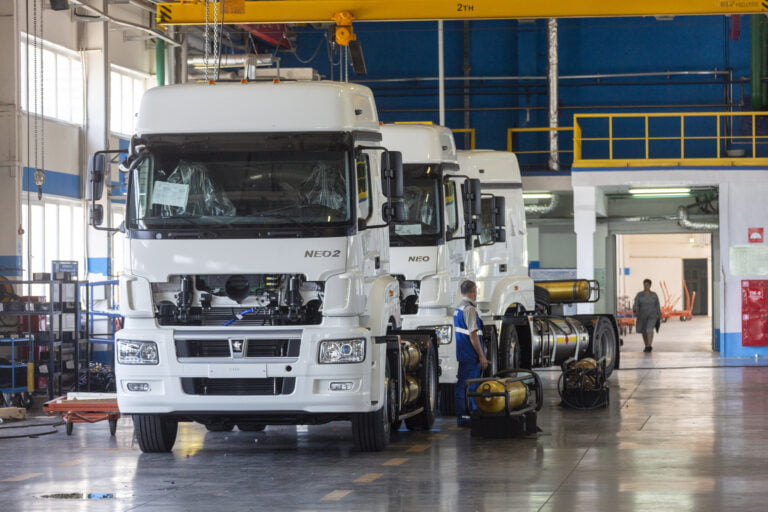
By the end of the year, more than 900 gas-powered vehicles and almost 800 methane-powered buses will have been produced.

The Governor of the Argentine province of Mendoza, Rodolfo Suárez, presented the new units 100% powered by compressed natural gas (CNG).

Liberty RNG once again entrusts Galileo Technologies with the technology to produce renewable natural gas, incorporating a new Microbox-Bio in its fleet, to increase biomethane production.
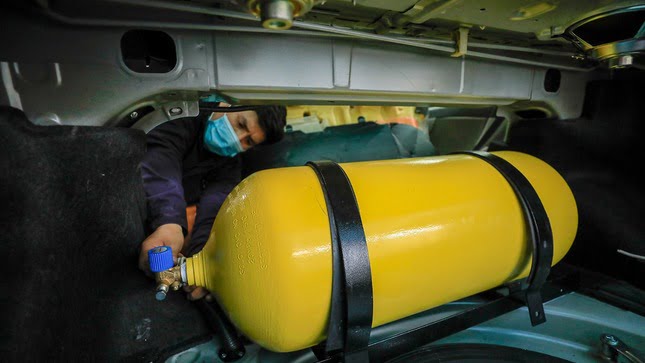
The Ministry of Energy and Mines continues to develop actions to contribute to the policy of massification of natural gas at the national level.
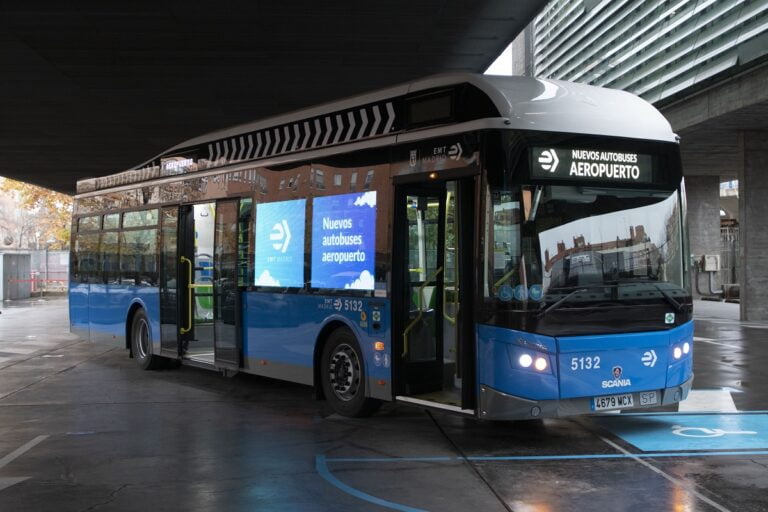
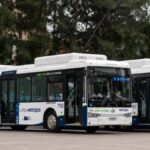
This new generation of CNG buses, a total fleet of 17 new vehicles to connect Madrid with the Adolfo Suárez Madrid–Barajas Airport, is an exercise in innovation by the Municipal Transport Company.
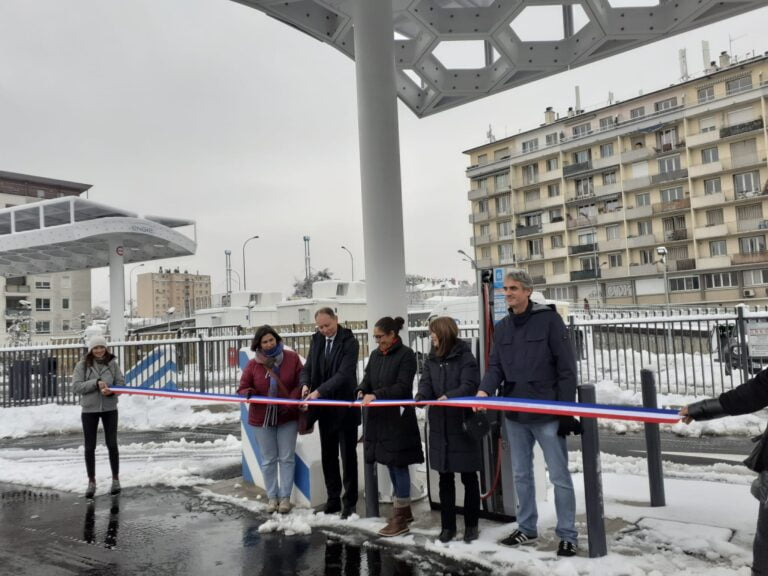
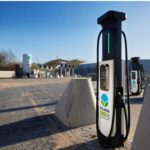
The compressed natural gas (CNG) and Bio-CNG filling station is located in the National Interest Market (MIN) in Grenoble, France.

Experts from both companies recently discussed some initial ideas and specific measures such as alternative fuels and drive systems ranging from Bio-LNG to hydrogen and even e-mobility.

A recent paper shows that by 2050 liquified biomethane (Bio-LNG) can reduce GHG emissions in the transport sector by 95% to 174%.

In the north of Santa Catarina, the Mime Araquari Sul filling station became the first in the Brazilian state to operate with a high-flow compressed natural gas supply for heavy vehicles.