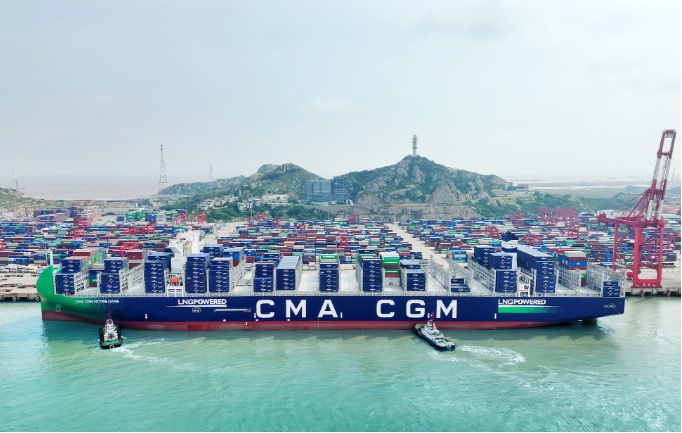
CMA CGM Group takes delivery of the world’s largest LNG-powered containership
The vessel has begun its maiden commercial voyage in Shanghai, China, before arriving in France and Europe in early July.
The vessel has begun its maiden commercial voyage in Shanghai, China, before arriving in France and Europe in early July.
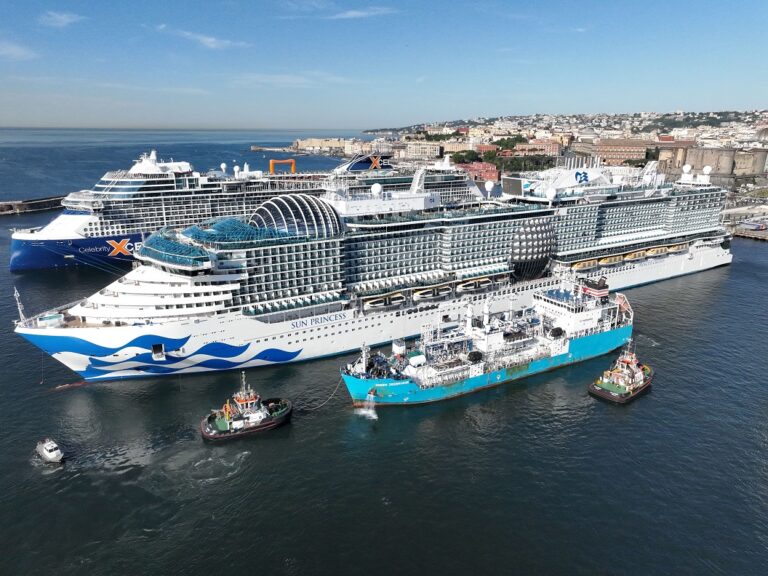
Axpo is expanding its small-scale LNG infrastructure and services in the Mediterranean region.
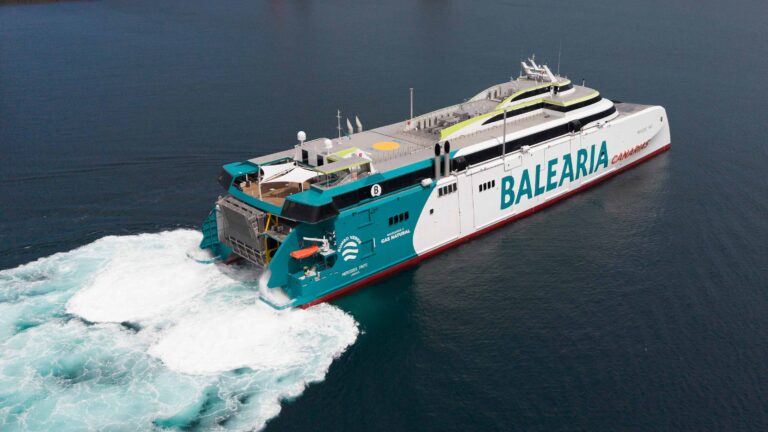
The vessel is equipped with dual-fuel engines that allow the use of liquefied natural gas and biogas, a CO2-neutral fuel.
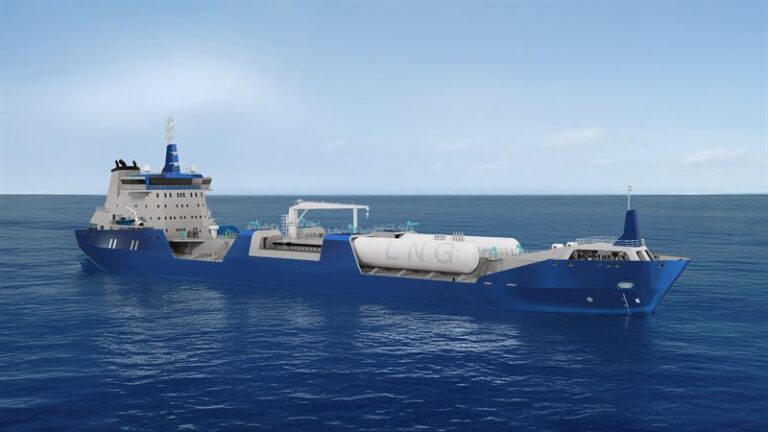
LNG continues to gain popularity as a marine fuel, bridging the gap between conventional diesel fuels and emerging low-carbon alternatives.
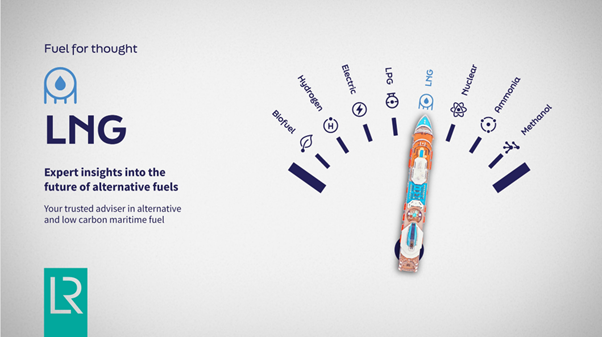
Lloyd’s Register published a report with an updated and data-driven assessment of the evolving role of LNG as a marine fuel.
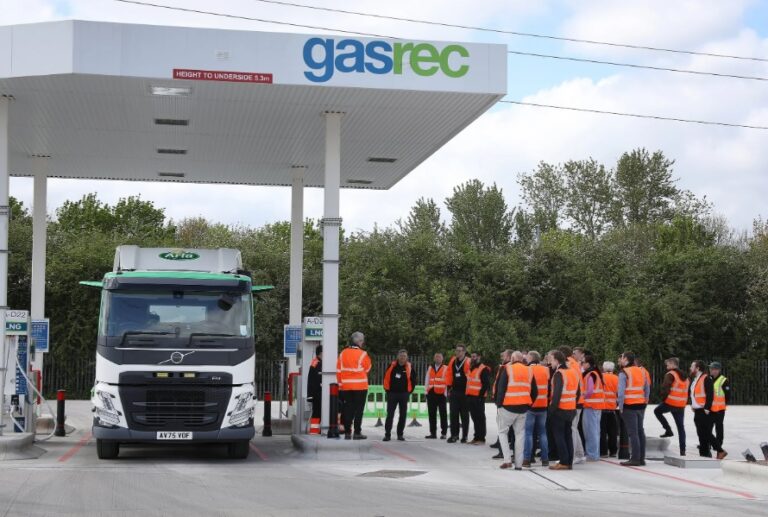
The opening of Gasrec's new free-access service station in Hams Hall, UK, was celebrated.
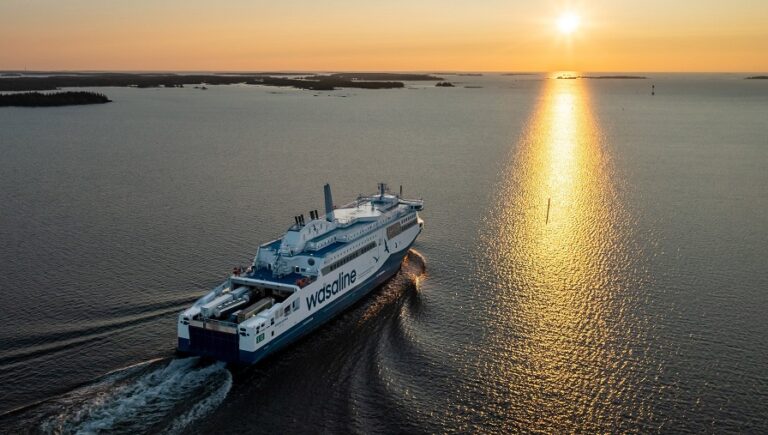
The companies reinforce their partnership and commitment to developing sustainable maritime transport on the Baltic Sea.
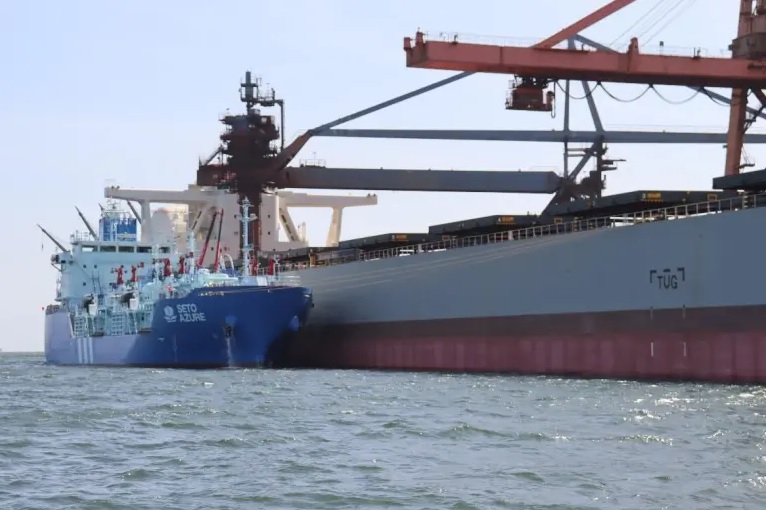
With this development, Osaka Gas has become a supplier for marine LNG fuel with all three primary supply methods.
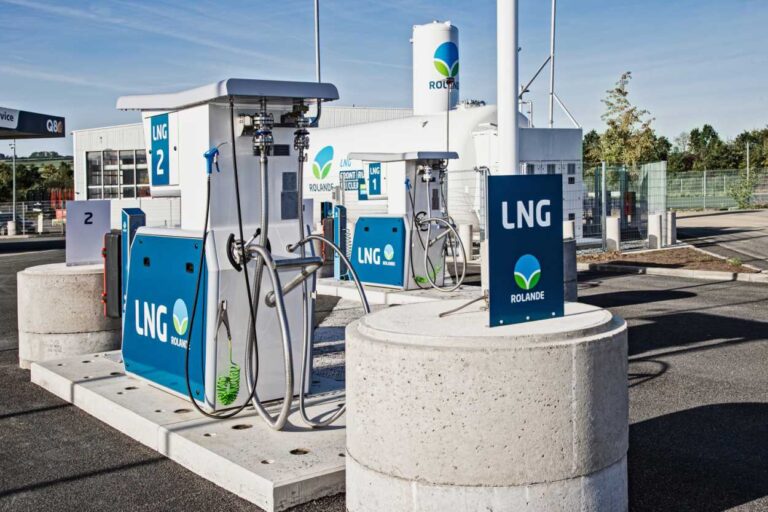
With this opening, the total number of Rolande filling stations in the Netherlands, Belgium, and Germany now stands at 28.
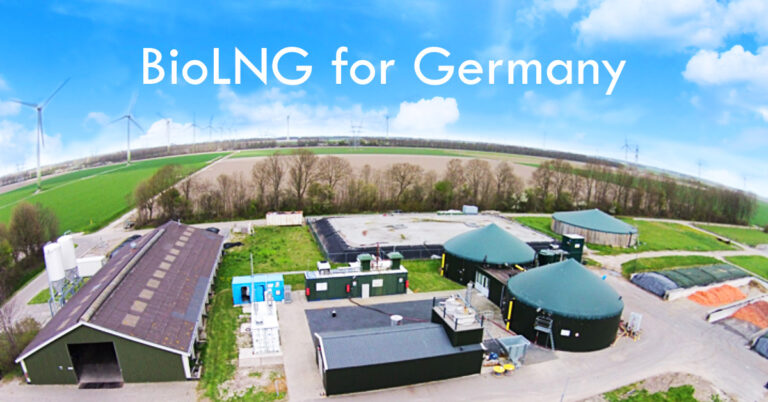
Bio-LNG is demonstrating its economic viability in the current energy crisis.